Premier Roofing & Exteriors for Commercial
Why Regular Roof Inspections Matter: Insights From Premier Roofing & Exteriors
Regular roof inspections are essential for homeowners seeking to maintain their property's value Premier Roofing & Exteriors and safety. Premier Roofing & Exteriors underscores the significance of early detection of potential issues, which can avert significant repair expenses. Recognizing the typical issues and optimal methods for inspections can create a meaningful distinction. Many homeowners are curious about the ideal frequency for these inspections and what to expect during them. Investigating these factors can provide essential guidance for proper roof care.
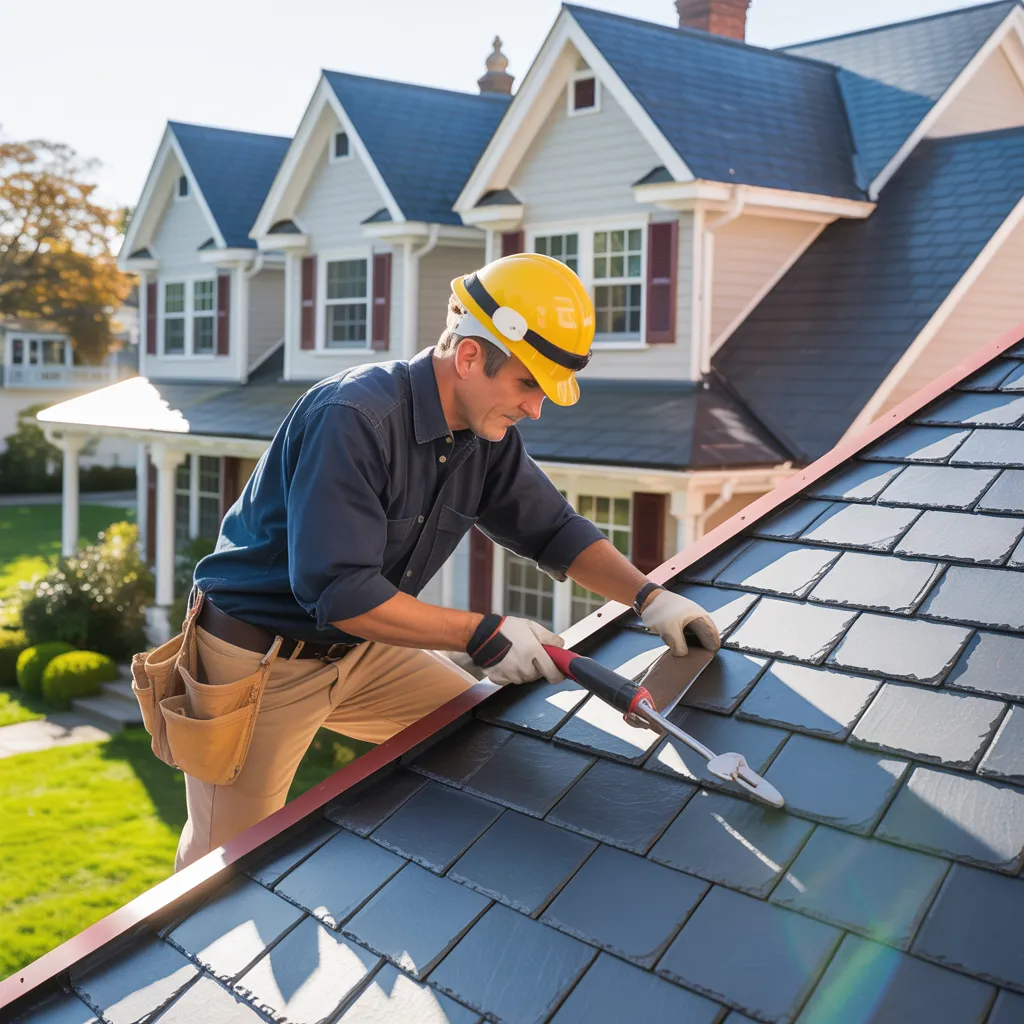
The Importance of Regular Roof Inspections for Homeowners
Although many homeowners tend to underestimate the value of roof inspections, routine evaluations are critical to preserving a home's structural soundness. Routine inspections allow for early detection of potential issues, helping to prevent costly repairs in the future. Climate conditions, natural aging, and surrounding environmental influences can slowly deteriorate a roof, making periodic evaluations critical for longevity. Property owners gain an advantage by catching small issues before they develop into major concerns, confirming the roof continues to perform effectively and safely.
Additionally, periodic inspections contribute to energy efficiency, as a properly maintained roof stops air leaks and preserves temperature control. This may result in lower energy bills. Moreover, several insurance policies call for documentation of maintenance, making inspections critical for claim submissions. Ultimately, arranging routine roof assessments provides peace of mind, knowing that the home is protected from the elements and potential hazards. Emphasizing regular roof inspections serves as an investment in both the safety and value of the property.
Identifying Common Roof Problems
Regular roof inspections play a vital role in detecting frequent concerns that homeowners may encounter. With the passage of time, roofs may develop problems such as missing shingles, which leave the underlying materials exposed to moisture and potential leaks. In addition, damaged or warped shingles may indicate deterioration from age or harsh weather, requiring immediate attention.
Another common issue involves the buildup of dirt and debris in gutter systems, which can result in water backup and harm to both the roof and the foundation of the home. Homeowners should additionally look for evidence of sagging or uneven sections, as these might suggest structural concerns.
Moreover, the growth of algae or moss can hold moisture, resulting in further deterioration if not treated. By detecting these common roof concerns early, homeowners can prevent potential damage, guaranteeing the durability and stability of their roofs. Scheduled inspections help to spot these concerns before they develop into expensive repairs.
Recommended Frequency for Roof Inspections?
At what intervals should homeowners carry out roof inspections? Professionals suggest examining roofs a minimum of twice annually, ideally in the spring and fall. Seasonal changes can impact roof integrity, making periodic inspections critically important. Furthermore, homeowners should arrange for inspections following major weather occurrences, including intense storms or hailstorms, which can result in concealed damage.
Neglecting roof inspections can cause expensive repairs, as small problems frequently worsen over time. For buildings situated in zones affected by intense weather events, regular inspections are advisable. New roofs may require less regular evaluations at first, but consistent evaluations are still essential, specifically as the roof becomes older.
What to Expect During a Roof Inspection?
When conducting a roof inspection, a skilled technician thoroughly assesses the state of the roof, looking for signs of wear and potential issues. The technician starts by examining the roof's outer layer for cracked or absent shingles, fractures, and various types of damage. They additionally examine gutters, flashings, and downspouts to confirm proper drainage and functionality.
Next, the professional inspector evaluates the structural soundness of the roof, checking for uneven or sagging sections that might signal underlying problems. They may also check the attic for moisture or leak-related signs, which can lead to the growth of mold and subsequent damage.
In addition, the inspection includes reviewing the integrity of ventilation systems, checking they are operating properly to minimize moisture buildup and overheating. In conclusion, the technician notes their results, delivering the homeowner with a detailed document that describes the current state of the roofing system and any recommendations for upkeep or repairs.
How to Deal With Common Roofing Problems
Handling typical roof damage requires an active maintenance plan to guarantee the longevity and safety of the structure. Homeowners should regularly inspect their roofs for clear evidence of deterioration, such as missing shingles, curling edges, or discoloration. If water intrusion is identified, immediate action is essential; closing cracks with proper compounds can prevent further water damage.
For clogged gutters, regular cleaning is essential, as debris accumulation can lead to water pooling and increased roof wear. Furthermore, inspecting for moss or algae development is vital, as such growth can hold moisture and result in structural decay.
When dealing with significant damage, such as serious rot or structural concerns, it is advisable to consult a professional roofing contractor. Prompt action not only lowers repair costs but also extends the roof's lifespan. Overall, remaining vigilant and promptly addressing these issues is essential for maintaining roof integrity.
The Long-Term Benefits of Maintaining Your Roof's Integrity
Maintaining a roof's integrity offers significant long-term advantages that homeowners should consider. Regular upkeep can prevent costly repairs, ensuring that minor issues do not escalate. Moreover, a thoroughly maintained roof can increase its longevity and boost overall energy efficiency, resulting in decreased energy expenses.
Eliminate Expensive Repair Bills
Routine roof evaluations can considerably lower the likelihood of costly fixes down the line. By detecting minor concerns at an early stage, homeowners can address problems before they grow into significant harm. A small leak, for instance, can lead to severe water damage and mold growth if left unchecked. Periodic evaluations allow for prompt upkeep, which substantially minimizes repair expenses. Additionally, inspections can uncover hidden vulnerabilities, such as deteriorating shingles or deteriorating flashing, ensuring that these issues are addressed promptly. Committing to regular roof inspections not only safeguards a home's integrity but also improves its overall worth. As a result, emphasizing regular roof evaluations is a sound financial investment that guards against unforeseen expenses and sustains the property's value over the years.
Prolong Roof Lifespan
Although many homeowners tend to neglect the significance of roof upkeep, overlooking this essential element can significantly reduce a roof's longevity. Routine checkups and upkeep allow homeowners to catch small problems before they worsen, safeguarding the roof's overall stability. Over time, weather elements like UV rays, rain, and snow can cause wear and tear. Addressing problems such as loose shingles, rust, or debris buildup can prevent significant damage that necessitates costly repairs or replacements. With a commitment to consistent checkups, homeowners can secure the continued performance and reliability of their roofing system. This proactive approach not only extends the life of the roof but also enhances the overall value of the property, making it a wise investment in homeownership.
Increase Energy Efficiency
A well-maintained roof can substantially boost a home's energy performance, leading to considerable cost savings over time. Scheduled inspections help detect problems such as inadequate insulation or missing shingles, which can cause energy loss. By tackling these concerns in a timely manner, homeowners can avoid heat from dissipating in the winter and lower cooling expenses during summer. Additionally, a roof in excellent condition efficiently reflects sunlight, decreasing the demand for heavy air conditioning use. Eco-friendly roofing materials, often recommended during inspections, can further optimize performance. Ultimately, preserving the condition of the roof not only helps reduce monthly utility costs but also encourages an environmentally friendly lifestyle. This proactive approach ensures long-term energy efficiency benefits are sustained for homeowners.
Common Questions and Answers
What Are the Typical Costs for Roof Inspections?
The typical cost of roof inspections falls between $100 and $500, depending on factors such as the home's dimensions, geographic location, and the inspector's level of experience. Some companies may offer free inspections as part of promotional services.
Am I Able to Carry Out a Roof Inspection Myself?
Absolutely, a homeowner can conduct a roof inspection themselves. However, they should be careful and familiar with safety guidelines, as well as potential risks. Professional assessments are recommended for detailed examinations and to uncover underlying problems.
What Qualifications Should a Roofing Inspector Have?
A qualified roofing inspector should maintain relevant certifications, broad experience with roofing systems, thorough understanding of building regulations, and comprehensive safety preparation. Furthermore, strong communication skills are vital for clearly presenting findings and recommendations to property owners.
Does Homeowners Insurance Cover Roof Inspections?
Homeowners insurance generally does not include coverage for roof inspections, as they are regarded as routine upkeep rather than an insurable event. Coverage details differ, so it is recommended that homeowners consult their insurance documentation to better understand their coverage.
How Do I Find a Reliable Roofing Inspector?
To locate a reliable roofing inspection specialist, one can ask for referrals from family or friends, review online ratings, and confirm qualifications through local licensing boards or professional associations to ensure quality and reliability in service.